
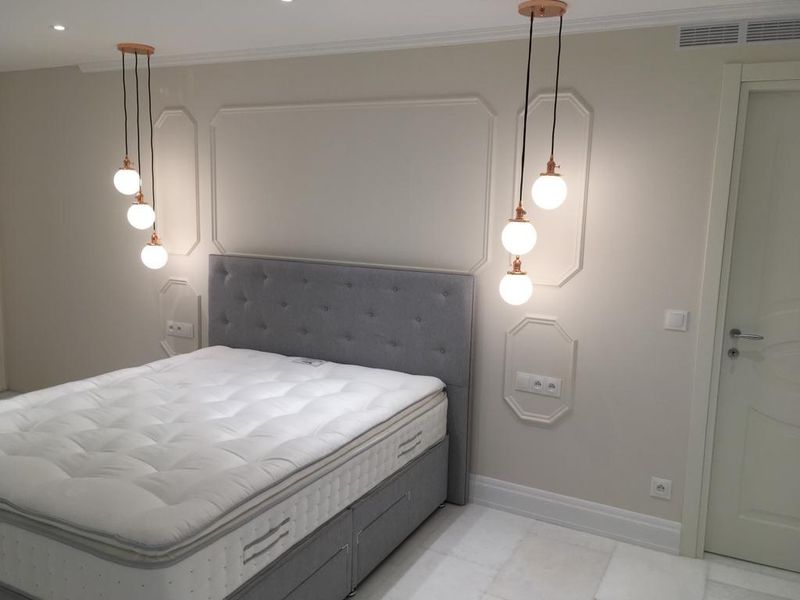
Complete Renovation Steps on the French Riviera: A Comprehensive Guide
Whether you have recently purchased a property in Nice, inherited an apartment in Cannes, or are looking to update your villa near Monaco, renovation on the French Riviera is a rewarding but complex undertaking. The Côte d'Azur is home to a striking mix of Belle Époque mansions, post-war apartment blocks, and modern residences — each with its own challenges and opportunities.
This guide walks you through the five essential stages of a successful renovation on the French Riviera, with practical advice tailored for international property owners navigating the French construction system for the first time.
Step 1: Define Your Project and Budget
Every successful renovation begins with clarity. Before contacting any professional, take the time to define exactly what you want to achieve and how much you are prepared to invest.
Scope your project carefully
Start by distinguishing between cosmetic updates, functional improvements, and structural changes. A fresh coat of paint and new flooring is a very different project from knocking down walls or reconfiguring the plumbing. Walk through your property and list everything you want to change, grouping items by priority.
Set a realistic budget
Renovation costs on the French Riviera tend to be higher than the national average, reflecting the premium property market and the standards expected in this region. As a general rule, you should set aside a contingency of 10 to 15 percent above your planned budget to cover unexpected issues — particularly in older buildings where hidden problems (outdated wiring, water damage behind walls, asbestos) are common.
If your property is a secondary residence, factor in the logistics of managing a project remotely. A general contractor who handles all trades under one roof can be invaluable in these situations, providing a single point of contact and regular progress updates.
Step 2: Find the Right Professionals
Choosing the right team is arguably the most important decision you will make. In France, the construction industry is regulated, and there are specific credentials to look for.
What to verify
- SIRET number: Every legitimate business in France has a SIRET registration number. This is the equivalent of a company registration number and can be checked on the official government database (sirene.fr). Never work with a company that cannot provide this.
- Décennale insurance: This is a mandatory 10-year liability insurance that all construction companies in France must carry. It covers structural defects discovered after completion. Ask for a copy of the current attestation.
- RC Pro (Responsabilité Civile Professionnelle): Professional liability insurance covering damage during the works. This is essential protection for you as a client.
- References and portfolio: Ask to see completed projects, ideally in your area. A company with experience renovating apartments in Nice will understand the specific challenges of the local building stock.
General contractor vs. managing trades yourself
You have two options: hire individual tradespeople and coordinate the project yourself, or engage a general contractor (entreprise générale du bâtiment) who manages all trades on your behalf. For most international property owners, the general contractor route is strongly recommended. You get a single contract, a single point of accountability, and coordinated scheduling — all of which reduce the risk of delays and miscommunication.
Step 3: Permits and Administrative Procedures
French administrative requirements can feel daunting, particularly for those unfamiliar with the system. Here is what you need to know.
When do you need a permit?
Interior renovations that do not alter the external appearance of a building or its floor area generally do not require a formal permit. However, any work that changes the façade, modifies windows, or extends the footprint will require either a déclaration préalable de travaux (prior works declaration) or a full permis de construire (building permit).
In conservation areas — and many parts of Nice's old town, Cannes, Menton, and other Riviera towns fall into this category — the requirements are stricter. You may need approval from the Architecte des Bâtiments de France (ABF), who oversees the preservation of architectural heritage. This process can add several weeks to your timeline.
Co-ownership considerations
If your property is in a co-ownership building (copropriété), you will need to check the building regulations (règlement de copropriété) and potentially obtain approval from the co-owners' general assembly (assemblée générale) before starting any works that affect common areas or the building's structure. This includes changes to exterior walls, plumbing stacks, or load-bearing elements.
Practical tips
Start the permit process early — approvals can take two to four months. Your contractor should be able to advise on which permits are needed and may handle the applications on your behalf. Always ensure written confirmation from the mairie (town hall) before beginning work.
Step 4: The Renovation Process
Once permits are in place and contracts are signed, the physical work begins. A well-managed renovation follows a logical sequence that minimises waste and avoids the costly errors of having to redo completed work.
Phase 1: Demolition and preparation
The first phase involves stripping out everything that needs to go — old kitchens, bathrooms, flooring, partitions, and outdated electrical or plumbing systems. This is also when any structural modifications take place, such as creating openings in load-bearing walls (with appropriate engineering calculations and steel beams).
Phase 2: Structural work and first fix
With the space cleared, the team addresses the building's skeleton. New partitions are erected, ceilings are levelled, and the first-fix electrical wiring and plumbing pipework are installed behind walls and under floors. This is the stage where insulation is added and any damp-proofing is carried out.
Phase 3: Second fix and finishing
Once the infrastructure is in place, the finishing trades take over. This includes tiling and flooring, painting, installation of sanitaryware and kitchen units, fitting of electrical sockets, switches and light fixtures, and the installation of doors and built-in furniture. Quality control at this stage is critical — it is far easier to correct a misaligned tile now than after the furniture is in place.
Timeline expectations
A complete apartment renovation on the French Riviera typically takes between 8 and 16 weeks, depending on the size and complexity of the project. Villa renovations can extend to several months. Your contractor should provide a detailed schedule (planning des travaux) at the outset, with clear milestones and regular progress reports.
Step 5: Final Inspection and Handover
The final stage is the formal handover, known in France as the réception des travaux. This is a legally significant event.
The handover process
You and your contractor walk through the completed property together. Every room is inspected, every fixture tested, every surface examined. Any defects or unfinished items are recorded in a formal report (procès-verbal de réception). The contractor is obligated to address these items within an agreed timeframe.
Your legal protections
From the date of handover, French law provides three levels of warranty:
- Garantie de parfait achèvement (1 year): The contractor must repair any defects reported during the first year.
- Garantie biennale (2 years): Covers movable elements such as doors, shutters, and equipment.
- Garantie décennale (10 years): Covers structural defects that compromise the building's solidity or render it unfit for its intended purpose.
These warranties are among the strongest consumer protections in Europe and are a significant advantage of working with properly insured French contractors.
Ready to Start Your Renovation?
At RUDEK Côte d'Azur, we have guided over 100 renovation projects to successful completion across Nice, Cannes, Monaco, Antibes, Menton, and Saint-Jean-Cap-Ferrat. With more than 13 years of experience and a team of over 20 specialists, we manage every aspect of your renovation — from initial consultation through to final handover.
We understand the unique needs of international property owners on the French Riviera. Whether you are based locally or managing your project from abroad, we provide clear communication, transparent pricing, and impeccable workmanship.