
Apartment Renovation in Nice: The Complete Guide
Nice is one of Europe's most desirable cities, attracting international buyers with its Mediterranean climate, cultural richness, and unmatched quality of life. But purchasing an apartment here is often just the beginning — many properties, particularly in the city's most sought-after neighbourhoods, require significant renovation to meet modern standards of comfort and style.
This guide covers everything you need to know about renovating an apartment in Nice, from understanding the city's architectural heritage to navigating the co-ownership system and planning realistic timelines.
Nice's Architectural Heritage: What Makes Renovation Here Unique
Nice's building stock is remarkably diverse. Depending on the neighbourhood, you may find yourself renovating a property that is anywhere from 30 to 200 years old, each era presenting its own characteristics and challenges.
Old Town and Belle Époque buildings
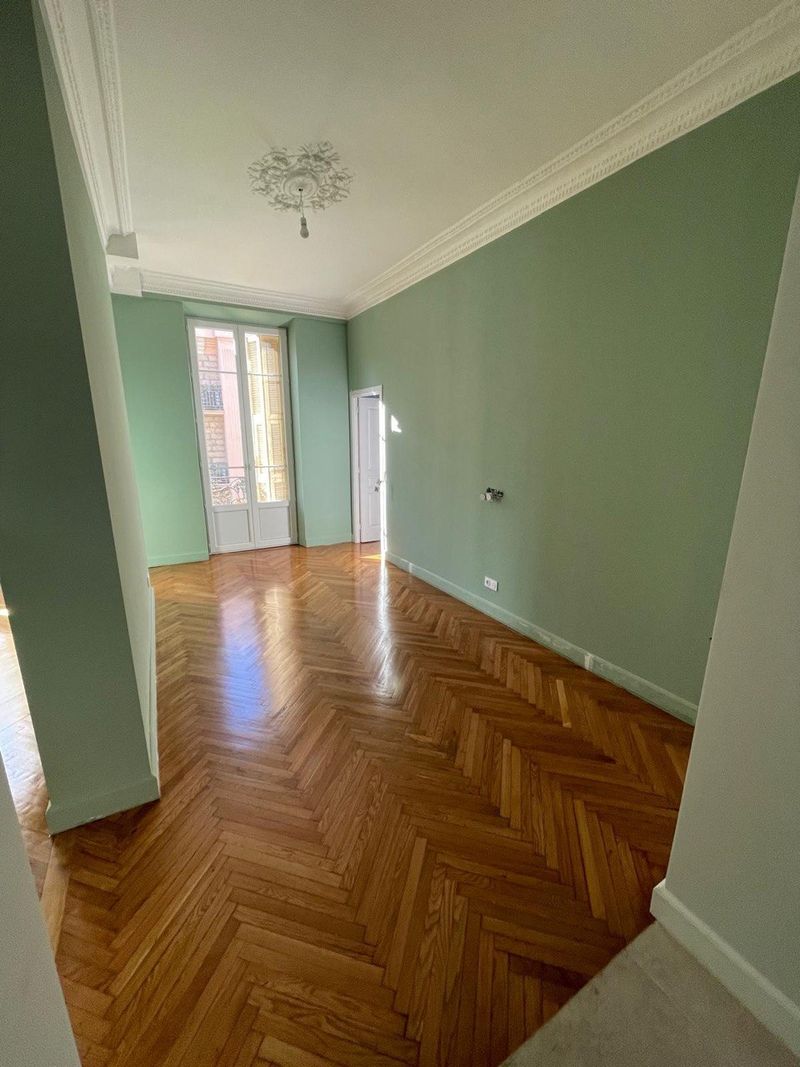
The Vieux Nice (Old Town) and the grand boulevards along the Promenade des Anglais are home to buildings dating from the 18th and 19th centuries. These properties often feature high ceilings (3 to 3.5 metres), decorative mouldings, herringbone parquet flooring, and ornate fireplaces. Renovation here demands a careful balance between preserving period character and introducing modern conveniences. Electrical systems are frequently outdated and plumbing may need complete replacement. Structural walls are typically thick stone or rubble, which complicates any layout changes.
Post-war and 1960s–1970s buildings
A large proportion of Nice's apartment buildings date from the post-war construction boom. These properties tend to have lower ceilings, smaller rooms, and utilitarian finishes. They offer excellent renovation potential — concrete-frame construction allows for more flexible layout changes, and updating the interiors can dramatically increase both comfort and property value.
Modern residences
Apartments built from the 1990s onwards generally require less structural work but may benefit from kitchen and bathroom upgrades, energy-efficiency improvements, or interior design refreshes to bring them up to current standards.
Most Popular Renovation Works in Nice
Based on our experience with over 100 projects across the city, these are the renovations most frequently requested by apartment owners in Nice:
- Complete bathroom renovation: Replacing dated tiles, sanitaryware, and plumbing with modern, space-efficient designs. Walk-in showers are increasingly popular, particularly in smaller bathrooms.
- Kitchen modernisation: Open-plan kitchen-living spaces are in high demand. This often involves removing a partition wall (with structural assessment), installing a new kitchen with integrated appliances, and upgrading electrical capacity.
- Full electrical rewiring: Essential in older buildings where the original wiring does not meet current NF C 15-100 standards. This is both a safety and a compliance issue.
- Flooring replacement: Whether restoring original parquet, laying new engineered wood, or installing large-format tiles, flooring transformation has an outsized impact on the feel of a space.
- Layout reconfiguration: Opening up rooms, creating en-suite bedrooms, or adding storage space. Any modification to load-bearing walls requires engineering calculations and appropriate reinforcement.
- Window and door replacement: Upgrading to double-glazed aluminium or PVC windows for improved thermal and acoustic insulation — particularly valuable on busy streets or along the coast.
Administrative Steps: Navigating Co-Ownership Rules
The majority of apartments in Nice are within co-ownership buildings (copropriété), governed by the law of 10 July 1965. Understanding these rules is essential before starting any renovation.
What you can do without approval
Works that are entirely within your private lot (parties privatives) and do not affect the building's structure, common areas, or external appearance can generally proceed without co-ownership approval. This includes repainting walls, changing flooring (subject to acoustic requirements), replacing a kitchen, or updating interior fixtures.
What requires co-ownership approval
Any work that affects common areas or the building's exterior must be approved at a general assembly meeting (assemblée générale des copropriétaires). This includes:
- Modifying the façade (changing window style, colour, or size)
- Altering load-bearing walls or structural elements
- Connecting to or modifying shared plumbing stacks
- Enclosing a balcony or terrace
- Installing air conditioning units visible from outside
Important for foreign owners: General assembly meetings typically occur once a year. If your renovation requires approval, you need to plan ahead — submit your request to the syndic (building manager) well in advance so it can be included on the agenda. You can also appoint a representative (mandataire) to vote on your behalf if you cannot attend in person.
Noise and working hours
Most co-ownership regulations restrict noisy work to specific hours, typically Monday to Friday from 8:00 to 12:00 and 14:00 to 19:00, with Saturdays from 9:00 to 12:00. Inform your neighbours before work begins — this is not only courteous but is often required by the building regulations.
Typical Timelines for Apartment Renovation in Nice
Realistic planning is one of the keys to a stress-free renovation. Here are the typical durations you can expect:
- Studio or one-bedroom (30–50 m²): 6 to 10 weeks for a complete renovation
- Two-bedroom apartment (50–80 m²): 8 to 14 weeks
- Three-bedroom or larger (80–120+ m²): 12 to 20 weeks
- Bathroom only: 3 to 5 weeks
- Kitchen only: 3 to 6 weeks
These timelines assume that permits and materials have been arranged in advance. Supply chain delays — particularly for imported tiles, custom joinery, or speciality fixtures — can extend the schedule. Your contractor should factor lead times into the project planning.
Choosing the Right Renovation Company in Nice
Nice has no shortage of renovation companies, but the quality varies enormously. Here is what to look for:
- Local experience: A company that has renovated apartments in Nice understands the specific challenges — the building types, the co-ownership dynamics, the local suppliers, and the municipal requirements.
- All trades under one roof: A general contractor (entreprise tous corps d'état) who manages electricians, plumbers, tilers, painters, and carpenters as part of a single team ensures coordinated scheduling and a single point of accountability.
- Proper insurance: Verify décennale (10-year) and RC Pro (professional liability) insurance. Ask for current attestations.
- Clear communication: Particularly important for international owners. Look for a company that provides regular updates, detailed quotes, and is comfortable communicating in English.
- Portfolio of similar projects: Ask to see before-and-after photos of apartments similar to yours in size, age, and scope of work.
Trust RUDEK Côte d'Azur with Your Nice Apartment Renovation
With over 13 years of experience and more than 100 completed projects across Nice and the wider French Riviera, RUDEK Côte d'Azur is your trusted partner for apartment renovation. Our team of 20+ specialists handles every trade, from demolition and structural work to the finest finishing details.
We work regularly with international property owners and provide clear, transparent communication throughout every project. Whether you are renovating a Belle Époque apartment in Cimiez, a seafront studio on the Promenade des Anglais, or a family flat in the Musicians' Quarter, we bring the same dedication to quality and attention to detail.